

Laboratory Gas System Quotation Guide
Laboratory Gas System Quotation: How To Compare Regulator, Manifold And Pipeline Suppliers
A laboratory gas system quotation should not be compared only by the final price. Buyers should check regulator range, manifold design, automatic changeover, gas cabinet configuration, tubing material, fitting type, valve quality, leak testing, documentation and supplier engineering support. This guide helps laboratories compare gas system suppliers more clearly before placing an order.
1. Why The Cheapest Gas System Quote May Not Be The Best Choice
Laboratory gas systems are used for GC, GC-MS, GC-FID, ICP, ICP-MS, ICP-OES, gas analyzers, glove boxes, calibration systems and other analytical instruments. A quotation may include pressure regulators, gas manifolds, automatic changeover systems, gas control panels, stainless steel tubing, VCR fittings, compression fittings, valves, gas cabinets and terminal outlets.
If buyers compare only the total price, important differences may be missed. One supplier may quote only a basic regulator and tube connection, while another supplier may include a complete gas source panel, automatic changeover manifold, terminal pressure regulators, leak testing and installation accessories. These two quotations cannot be compared directly.
A better way is to compare the technical scope line by line. Buyers should check whether each quote includes the same gas types, pressure ranges, flow capacity, outlet quantity, fitting standard, tubing length, valve configuration, testing method and after-sales support.
2. Compare Pressure Regulators By Range, Stability And Gas Compatibility
The pressure regulator is one of the most important components in a laboratory gas system. Buyers should compare inlet pressure range, outlet pressure range, flow capacity, wetted material, pressure gauge range and gas compatibility. A low-priced regulator may not provide stable pressure if it is not selected for the actual gas and instrument demand.
For GC-MS helium carrier gas, pressure stability and leakage control are important. For GC-FID hydrogen fuel gas, safety and fine pressure adjustment matter. For ICP argon gas, flow capacity may be more important. For nitrogen purge gas, simultaneous use and terminal outlet quantity should be checked.
When comparing quotes, buyers should ask whether the regulator is single-stage or two-stage, whether the pressure gauge range is suitable, and whether the regulator is selected for high-purity gas, specialty gas or general laboratory gas service.
3. Compare Manifold And Automatic Changeover Configuration
A gas manifold controls how gas cylinders or gas sources connect to the downstream system. For laboratories using helium, hydrogen, nitrogen, argon or calibration gas continuously, the manifold design directly affects supply reliability and cylinder replacement convenience.
Buyers should check whether the quotation includes manual switching, semi-automatic switching or automatic changeover. Automatic changeover is useful when gas interruption may affect long analytical runs, GC-MS helium supply, GC-FID hydrogen supply, ICP argon supply or nitrogen purge operation.
A complete manifold quote should clearly show working side, standby side, pressure gauges, shut-off valves, check valves, relief valves, cylinder pigtails and connection standards. If these details are missing, the buyer may face extra costs during installation.
Laboratory Gas System Quotation Comparison Checklist
| Comparison Item | What Buyers Should Check | Why It Matters |
|---|---|---|
| Quotation Scope | Regulators, manifolds, panels, tubing, fittings, valves and outlets | Avoids comparing a partial quote with a complete system quote |
| Regulator Selection | Pressure range, flow capacity, material and gas compatibility | Ensures stable pressure for analytical instruments |
| Manifold Design | Manual, semi-automatic or automatic changeover configuration | Affects gas continuity and cylinder replacement convenience |
| Pipeline Material | Stainless steel tubing, tube size, route and total length | Affects pressure drop, cleanliness and installation quality |
| Fitting Standard | VCR fittings, compression fittings, welded fittings or adapters | Affects leakage risk and compatibility with instruments |
| Testing | Pressure test, leak test, purging and final inspection | Confirms the system is ready before use |
| Documentation | Gas point list, layout drawing, component list and operating guidance | Makes installation, maintenance and future expansion easier |
4. Compare Pipeline Suppliers By Material, Routing And Installation Details
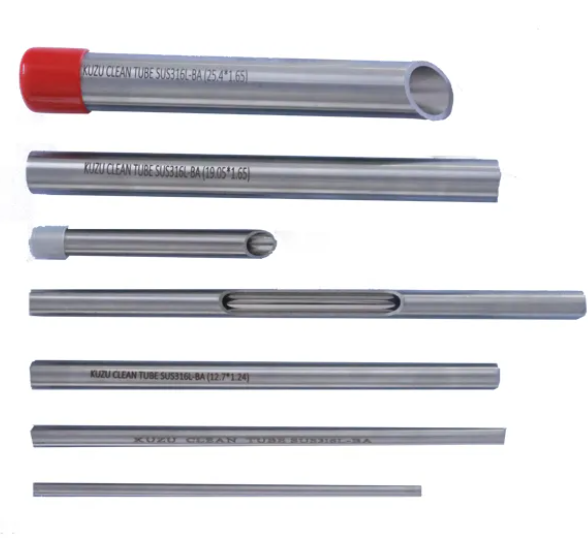
Pipeline cost can vary greatly depending on material, tube size, route length, number of bends, number of branch points and installation method. A low quote may only include basic tubing, while a complete quote may include stainless steel tubing, pipe clamps, wall-mounted terminal outlets, valves, fittings and testing.
For analytical laboratories, stainless steel tubing is commonly used because it is clean, durable and suitable for organized wall-mounted installation. Tube size should be selected based on gas type, flow demand, pipeline length and number of instruments. If the tube size is too small, pressure drop may occur during simultaneous use.
Buyers should ask suppliers to separate material cost, tubing length, gas point quantity and installation accessories. This makes the quotation easier to compare and reduces hidden cost after the project starts.
5. Compare VCR, Compression And Welded Fitting Options
Fitting selection affects leakage control, gas purity and installation cost. VCR fittings are often used for high-purity, low-leakage and critical gas lines, such as GC-MS helium, hydrogen, specialty gases and semiconductor research gas systems. Compression fittings may be suitable for many standard laboratory gas lines when installed correctly.
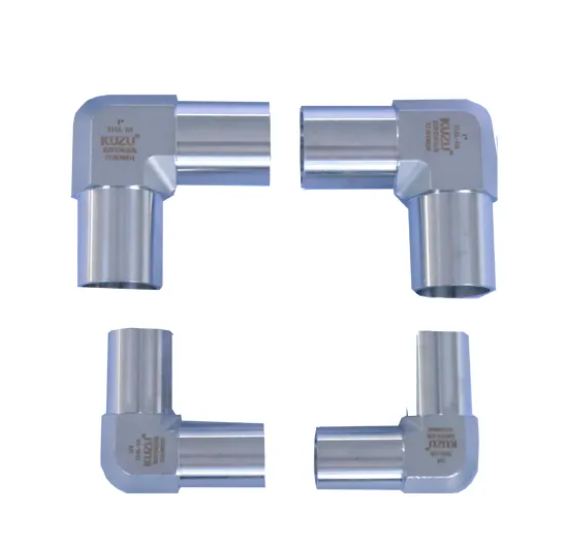
Welded connections may be used for fixed stainless steel pipeline sections when the project requires fewer mechanical joints. However, VCR fittings may still be needed at regulators, valves, panels and terminal outlets where future maintenance or component replacement is required.
When comparing suppliers, buyers should check whether the quote clearly states fitting type, tube size, connection standard and adapter quantity. Too many adapters may reduce initial cost but increase leakage risk and future maintenance difficulty.
6. Check Whether Testing And Inspection Are Included
Leak testing and final inspection are important for laboratory gas systems. A quotation that does not include testing may look cheaper, but the buyer may later need to arrange additional inspection. For helium, hydrogen, high-purity gases and specialty gases, leakage control is especially important.
Buyers should ask whether the supplier includes pressure testing, leak testing, purging, valve operation check, pressure stability check and final system inspection. For high-purity pipelines, cleaning and purging requirements should also be discussed before ordering.
Good suppliers should provide clear testing scope and inspection steps. This helps avoid disputes after installation and gives the laboratory more confidence before connecting instruments.
7. Compare Supplier Capability, Not Only Component Price
A laboratory gas system supplier should understand both components and application scenarios. A supplier who only sells parts may quote regulators, valves and fittings separately, but may not help buyers check whether the whole system matches instrument demand. For laboratories, this can lead to missing parts, wrong pressure range or poor layout.
Buyers should check whether the supplier can review gas lists, instrument lists, pressure and flow requirements, gas point layouts, panel configuration and pipeline drawings. For GC-MS, GC-FID, ICP, gas analyzer and high-purity research labs, application understanding is very important.
A reliable supplier should be able to explain why each regulator, manifold, valve, fitting and pipeline component is selected. This helps buyers avoid overbuying unnecessary parts or underbuying critical components.
8. What Buyers Should Provide Before Requesting Quotes
To receive comparable quotations, buyers should provide the same RFQ information to every supplier. This should include gas types, gas purity, instrument list, pressure range, flow demand, gas source method, cylinder quantity, gas point quantity, pipeline route, connection standard and layout drawing.
Buyers should also state whether they need pressure reducing valve groups, automatic changeover manifolds, gas cylinder cabinets, gas control panels, terminal pressure regulators, stainless steel tubing, VCR fittings, compression fittings, welded tubing, filters, leak testing or installation support.
When each supplier receives the same information, the comparison becomes more meaningful. Buyers can then evaluate not only price, but also technical completeness, component quality, system safety and long-term maintenance value.
Recommended Related Product Categories
This article is closely related to pressure reducing valves, centralized gas supply switching products, high-purity HP-VCR products, VCR diaphragm valves, VCR check valves and micro welding fittings for laboratory gas system quotation projects.
Summary: Compare The Complete System, Not Just The Price
A laboratory gas system quotation should be compared by technical scope, regulator selection, manifold configuration, gas cabinet design, tubing material, fitting standard, valve layout, testing method and supplier support. The cheapest quote may become expensive later if key components, testing or installation accessories are missing.
KUZU / TKF provides pressure reducing valve groups, automatic gas changeover manifolds, gas control panels, terminal pressure reducing valve assemblies, gas cylinder cabinets, HP-VCR high purity products, VCR valves, compression fittings and central gas supply system components. If you are comparing laboratory gas system suppliers, send us your gas list, instrument list, pressure range and layout drawing for technical selection support.
FAQ About Laboratory Gas System Quotations
Why are laboratory gas system quotes so different?
Different suppliers may include different scopes, such as only regulators, or a complete system with manifolds, panels, tubing, fittings, valves and testing.
Should I choose the lowest quote?
Not always. Buyers should check whether the quote includes correct pressure range, flow capacity, fittings, tubing, valves, testing and installation accessories.
What is the most important part of comparing suppliers?
Compare the full system configuration and technical assumptions, not only the product names or total price.
What information should buyers provide before requesting a quote?
Please provide gas types, purity, instrument list, pressure range, flow demand, gas point quantity, pipeline route, connection standard and layout drawing.
Need A Laboratory Gas System Quotation?
Send us your gas list, instrument list, pressure range, flow demand and layout drawing. We can help you compare suitable regulators, manifolds, gas panels, valves, fittings and pipeline components.
Contact Us Get QuoteEngineering checklist for Laboratory Gas System Quotation How To Compare Regulator Manifold And Pipeline Suppliers
For pressure control and terminal valve assemblies, buyers should confirm the gas type, inlet pressure, outlet pressure, flow demand, purity level, connection standard, working environment and instrument list before selecting a model. In laboratory, semiconductor and specialty gas projects, a small mismatch in regulator range, valve material or fitting standard can create leakage risk, unstable pressure or unnecessary gas loss.
KUZU supports gas pressure control, high purity pipeline components and laboratory gas supply configurations for projects that need stable pressure regulation and cleaner installation details. Engineering teams should treat the regulator, valve, pipeline, fitting and leak testing plan as one system rather than separate purchased items.
What to confirm before ordering
- Confirm gas medium, purity grade, pressure range, flow requirement and connection size.
- Check whether EP, BA, VCR, ferrule or welded pipeline components are required for the installation.
- Review regulator stability, diaphragm material, sealing structure, valve layout and maintenance access.
- Ask for drawings, pressure rating, test method and packing details before procurement approval.
- Keep the inquiry tied to the real instrument list, not only a generic gas supply diagram.
Related KUZU references include TKF 5 7 Wall Mounted Axial Terminal Diaphragm Valve Assembly, TKF 5 3 Wall Mounted Radial Terminal Ball Valve Assembly and EP VCR High Low Pneumatic Diaphragm Valve. These product pages help buyers compare real component structures before sending an RFQ.
For a faster quotation, send the gas list, pressure data, flow demand, material preference, drawings and site photos through the KUZU contact page. Clear engineering data makes model selection safer and reduces repeated quotation rounds.